
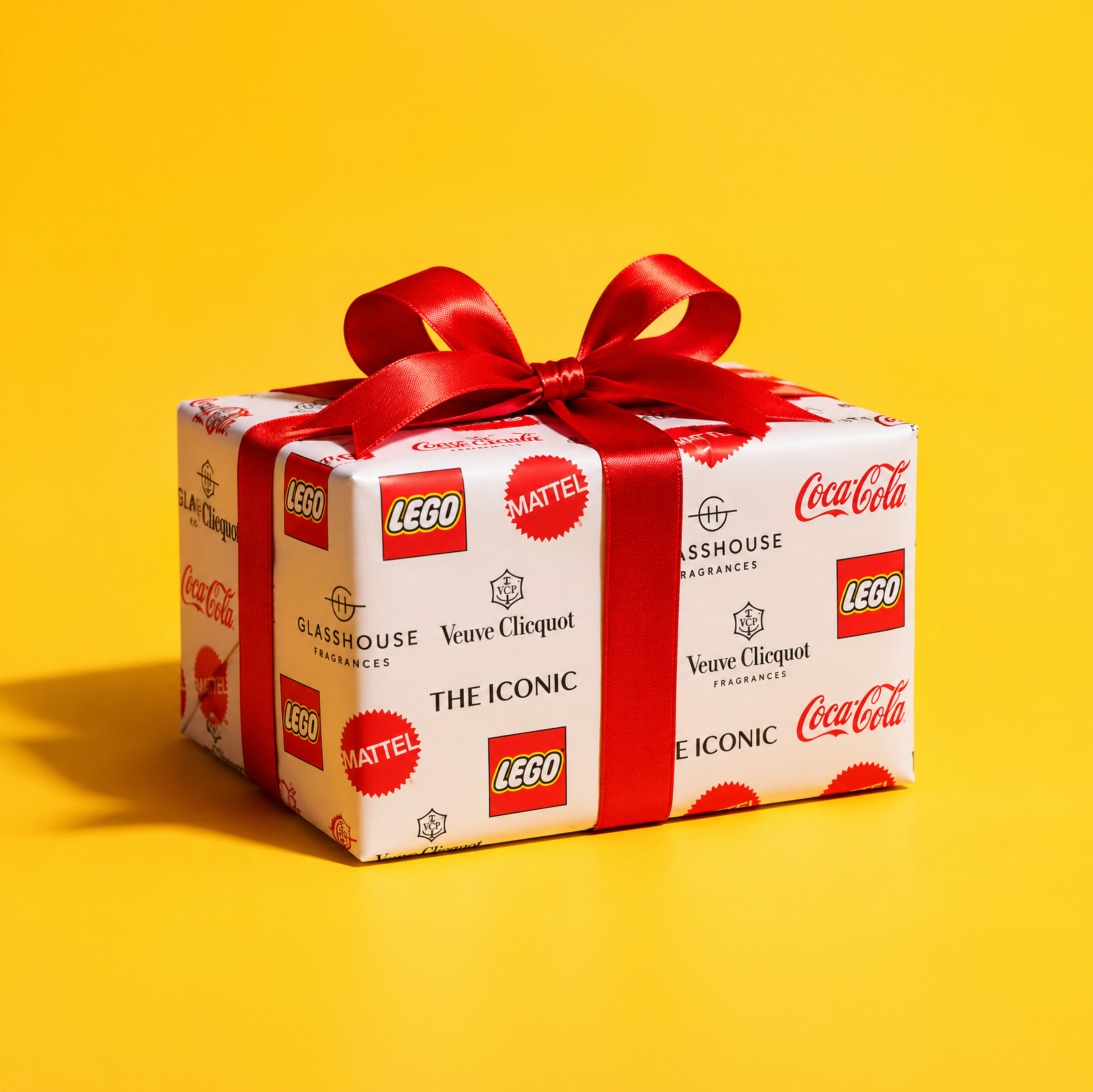
Every Christmas we spend weeks searching for the perfect gifts, planning festive get-togethers and stocking up on stocking fillers. But when it comes to choosing what to buy, we're often reaching for the usual suspects (for me it’s a certain toy brick).
And what about the brands that don't make the list? It's not necessarily because they're not good enough. It's because we simply don't think of them.
This is called mental availability: how easily a brand comes to mind when someone is in a buying situation. And Christmas is one big collection of buying situations. It's not just what you sell. It's when people think of you.
A brand selling candles might want to come to mind when someone needs a Secret Santa gift. A food brand might want to be the first thought when someone is planning to make Christmas lunch a little fancier. A jewellery brand might want to own the idea of a truly special gift.
These are known as category entry points (CEPs): the situations, needs and occasions that trigger someone to think about a particular product or brand. And the more relevant the buying situations a brand connects with, the more opportunities it has to be remembered, considered and purchased.
How to get on the Christmas list
So, how do you make sure your brand isn't the marketing equivalent of an unwanted Christmas fruitcake?
1. Think beyond the obvious.
Don't just focus on the product category. Think about the occasions and moments when people might need it. Gifting for the hard-to-buy-for person. Hosting unexpected guests. Finding a last-minute present. Making the Christmas table look impressive.
2. Make the connection memorable.
It's not enough to say you're perfect for Christmas. Build distinctive creative that links your brand to specific festive occasions. Consistent colours, characters, sounds, visual cues and messaging help people recognise and remember you.
3. Show up before the shopping panic.
Mental availability takes time to build. Don't wait until everyone is frantically filling their online shopping carts. Establish those brand associations early, then reinforce them as Christmas approaches.
Here's a little challenge: think about your brand at Christmas. What are the first three situations in which you'd want someone to think of you? And, more importantly, would they actually think of you in those moments? Because being physically available to buy is one thing. Being mentally available when it matters is another.
This Christmas, don't just aim to be on the shelves. Aim to be in people's minds.